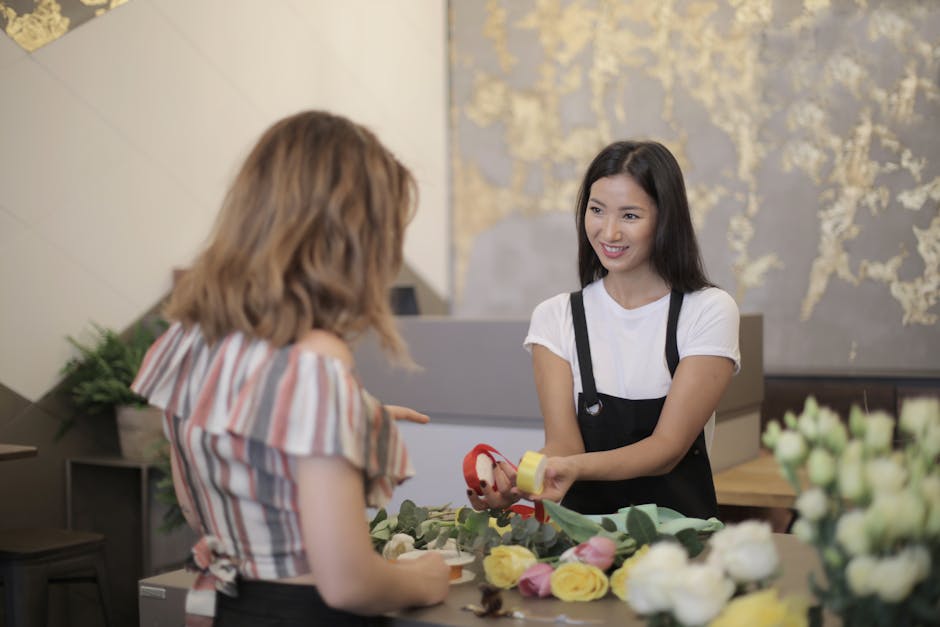
Corporate floral services for Marylebone offices and shops
Posted on 11/10/2026
In Marylebone, appearance matters. A reception desk with tired stems can quietly drag a space down, while a clean, well-chosen arrangement can make an office feel calmer and a shop front feel far more inviting. That is the real job of Corporate floral services for Marylebone offices and shops: not just decoration, but atmosphere, brand support, and a better everyday experience for the people who work in or walk through the space.
If you are managing a professional office near Marylebone High Street, a boutique on a side street, or a premises that needs to look polished from Monday morning through Saturday afternoon, the right floral service saves time and removes guesswork. You do not need to become a flower expert. You just need a service that understands the rhythm of the area, the pressures of busy workspaces, and the little details that make a display look intentional rather than ??????-sorry, rather than thrown together at the last minute.
This guide breaks down how corporate flower delivery works, what good value really looks like, and how to choose arrangements that suit Marylebone businesses without overcomplicating things. We will cover benefits, planning, standards, common mistakes, and a practical checklist you can actually use.

Table of Contents
- Why corporate floral services matter in Marylebone
- How the service works day to day
- Key benefits and practical advantages
- Who this is for and when it makes sense
- Step-by-step guidance
- Expert tips for better results
- Common mistakes to avoid
- Tools, resources and recommendations
- Law, compliance, standards, or best practice
- Options, methods, or comparison table
- Case study or real-world example
- Practical checklist
- Conclusion
- Frequently asked questions
Why Corporate floral services for Marylebone offices and shops Matters
Marylebone has a particular feel to it. It is polished, walkable, and visually conscious. That means floral styling is not just "nice to have"; it often becomes part of how a business is perceived the moment someone steps inside. In an office, flowers can soften a minimalist interior, welcome clients, and make shared areas feel less corporate in the coldest sense of the word. In a shop, they can draw the eye, frame the product story, and make customers slow down for a second. And that second matters.
There is also a practical side. Busy teams do not have time to be checking water levels, replacing wilted stems, or wondering whether the arrangement by the till is still presentable after three days of heat, meetings, and the occasional accidental bump. A corporate floral arrangement, done properly, solves a small but constant problem. It keeps the space looking looked-after.
For Marylebone businesses, this matters even more because the local customer base often notices details. Office guests, clients, patients, shoppers, and passers-by all read the room quickly. Flowers communicate care, consistency, and taste without a single word being spoken. Bit dramatic? Maybe. But true.
Expert summary: The best corporate floral service is not about sending "more flowers." It is about sending the right flowers, in the right form, on the right schedule, so the business always feels considered.
How Corporate floral services for Marylebone offices and shops Works
In most cases, corporate flower service follows a simple pattern: consultation, selection, delivery, placement, refresh, and occasional seasonal adjustment. The process is straightforward, but the details make the difference.
1. Initial brief
You start by explaining what the space needs. That might include reception flowers, shop counter arrangements, boardroom focal pieces, or smaller desk-friendly designs. A good supplier will want to know the tone of the brand, the colours in the interior, the size of the space, light levels, and any access issues. A florist delivering to a narrow Marylebone entrance or a busy shared building really does need those details.
2. Style and budget planning
Once the brief is clear, the florist can recommend a style direction. Some businesses prefer clean white and green displays. Others want something brighter and more seasonal. A few want arrangements that feel luxurious and memorable, especially for client-facing reception areas. Budget is normally matched to frequency and scale. There is no point paying for oversized arrangements if they overpower the space or block sightlines.
3. Delivery schedule
Corporate flowers are often delivered weekly, fortnightly, or on a bespoke schedule. For offices, weekly refreshes are common because meeting rooms and reception areas are used constantly. For shops, a schedule may depend on footfall, opening hours, and the amount of daylight the display gets. Some businesses also use same-day or next-day flower delivery when they need a quick replacement after a busy week or a last-minute event.
4. Installation and presentation
Good delivery is not just about arrival. It is about how the flowers are set down, whether they are the right height for the surface, and whether the containers suit the room. A low vase works in one place and looks awkward in another. A polished corporate arrangement should feel finished the moment it lands.
5. Maintenance and refresh
Depending on the agreement, maintenance can be handled by the business or by the florist. Most offices and shops prefer low-fuss arrangements with long vase life and simple care. That is one reason practical designs, such as flowers in a vase or structured mixed arrangements, are popular. They are easier to manage and less likely to become a Monday-morning headache.
Key Benefits and Practical Advantages
The appeal of corporate flowers is obvious at a glance, but the real value is broader than decoration. Here is what businesses usually notice first.
- Better first impressions: A smart floral display helps reception areas, waiting rooms, and shop interiors feel cared for.
- Brand reinforcement: Colour choice and style can echo the business identity without shouting about it.
- Improved ambience: Flowers soften hard lines, reduce visual harshness, and make a room feel more human.
- Seasonal variety: A regular service keeps the space feeling fresh rather than static.
- Time savings: Staff do not have to source, arrange, or replace flowers themselves.
- Client comfort: Visitors tend to relax more in a pleasant, well-kept environment.
- Flexible use: Corporate flowers can support launches, events, product displays, meetings, or everyday presentation.
There is also a subtle commercial advantage. In retail, people often remember how a shop felt as much as what they bought. In offices, a polished environment can quietly support confidence during meetings. That does not mean flowers solve everything, obviously. They will not rescue a bad layout or chaotic service. But they do improve the atmosphere in a way that people feel before they consciously register it.
Practical advantages that are easy to overlook
Some of the most useful benefits are the boring ones, to be fair. Predictable delivery. Fewer emergency purchases. Less waste from overbuying. Better alignment with opening hours. Less stress for staff who already have too much on their plates. These are not glamorous points, but they are the ones that keep a service worth paying for.
| Business need | Why flowers help | What to prioritise |
|---|---|---|
| Reception area | Creates a welcoming first impression | Clean design, low maintenance, tidy vessel |
| Shop counter | Enhances product presentation and mood | Compact shape, strong colour balance, durability |
| Meeting room | Softens the room and supports comfort | Simple, non-overpowering arrangement |
| Client-facing lounge | Makes the setting feel cared for and premium | Seasonal flowers, elegant styling, consistency |
Who This Is For and When It Makes Sense
Corporate floral services are not only for large companies with glossy lobbies. They are useful for a surprisingly broad mix of Marylebone businesses.
Offices
Professional offices use flowers to keep reception desks, conference rooms, breakout spaces, and private client areas looking polished. This is especially helpful where the interior is modern, minimal, or dominated by neutral colours. A well-placed arrangement gives the room a bit of life. A little warmth. Nothing overdone.
Shops and boutiques
Retail spaces benefit from floral styling when they want to signal quality, style, and attention to detail. In Marylebone, where a lot of shopping is experience-led, even a modest arrangement near the entrance can help set the tone. It is often the difference between a window that feels "there" and one that feels intentional.
Clinics, studios, and salons
Waiting areas and treatment rooms often need calm, soft, non-intrusive styling. Flowers can support that without making the space feel busy. White, pale pink, muted purple, and green-led designs are commonly suitable because they feel gentle and professional.
Hospitality and events
If your business hosts clients, launches, private appointments, or seasonal events, flowers can support the atmosphere and brand message. Corporate accounts are especially useful here because they make repeat ordering easier and more organised.
When it makes sense
- You want a consistently presentable space without in-house floral upkeep.
- You have regular visitors, customers, or clients.
- Your interior would benefit from softer visual balance.
- You need flowers for opening weeks, product launches, or seasonal refreshes.
- You want a simple recurring service rather than one-off ordering every time.
And if your team keeps saying, "We really should do something about the reception area," well, that is usually your sign.
Step-by-Step Guidance
If you are setting up corporate flowers for the first time, keep the process simple. Overthinking it is a very common mistake. Here is a practical route that works well.
- Assess the space. Look at the room at the time people actually use it. Morning light is different from late afternoon light, and a display that looks lovely at 9 a.m. may feel heavy by 4 p.m.
- Choose the key location. Start with the most visible spot first: reception, window display, counter, or meeting room table. One strong placement is better than three random ones.
- Define the mood. Decide whether you want elegant, modern, seasonal, soft, colourful, or luxury-led styling.
- Set frequency. Weekly, fortnightly, or event-based delivery depends on footfall, room temperature, and how polished you want things to stay.
- Pick practical stems. Choose flowers that suit the environment and last well in your conditions. A cool office and a sunlit shop window are not the same thing.
- Agree a maintenance plan. Know who tops up water, removes old stems, and flags issues.
- Review after the first cycle. After a few deliveries, check what is working. The arrangement may be slightly too tall, too fragrant, too dense, or simply not quite right. Adjust it early.
This is where good suppliers earn their keep. They do not just drop flowers and vanish. They help you refine the result. That is the difference between "ordered flowers" and a service that actually fits your business.
What to ask before you commit
- How often can arrangements be refreshed?
- Can the style be adjusted seasonally?
- Are low-maintenance or vase arrangements available?
- How are substitutions handled if a stem is unavailable?
- Can delivery be timed around opening hours or office access?
- Is there a corporate account option for repeat orders?
Expert Tips for Better Results
The nicest corporate flower displays usually have one thing in common: they look effortless, but they are not random. A few choices make a disproportionate difference.
Match scale to the room, not the budget
Bigger is not always better. In a narrow entrance or compact shop, a dense arrangement can block the eye line or make the space feel crowded. A cleaner, more tailored design often looks more premium than simply adding more stems.
Use colour with restraint
If your brand is already visually busy, flowers should calm things down, not join the argument. Neutral, soft-toned, or monochrome palettes often work best in professional settings. Bright colour can be excellent too, but use it deliberately.
Think about scent
This gets missed a lot. Strong fragrance can be lovely, until it starts competing with coffee, perfumes, stock rooms, or allergies. If the space is small or enclosed, choose lightly scented flowers or fragrance-free styling where possible.
Prefer vase-ready arrangements for busy teams
In fast-moving workplaces, arrangements in a vase or container are often easier than hand-tied styles that need more handling. They are simpler to place, simpler to maintain, and less likely to be disturbed during a hectic morning.
Plan for seasonal shifts
Marylebone offices and shops can feel very different across the year. In winter, richer tones and sturdy stems may suit the mood. In spring and summer, lighter arrangements can feel fresher. It sounds obvious, but seasonal rotation keeps things from looking stale.
Use the entrance as the anchor point
If you are unsure where to start, focus on the first place a visitor notices. That first impression sets the tone for everything else. A good entrance arrangement often does more than three smaller pieces scattered around the room. Funny how that works.
Common Mistakes to Avoid
Even good businesses get this slightly wrong at first. No shame in that. Corporate flowers are one of those things that look simple until the wrong choice is sitting in the wrong place for three days.
- Choosing only by price: Cheap flowers can be false economy if they collapse quickly or look sparse.
- Ignoring room conditions: Heat, direct sunlight, and air conditioning all affect lifespan.
- Overfilling the space: Large displays can make a tidy office look cluttered.
- Picking a scent that dominates: Strong fragrance may not suit client-facing areas.
- Forgetting access times: Delivery fails are usually about building access, not flower quality.
- Using the same arrangement forever: Repetition can make even a lovely display feel invisible.
- Neglecting maintenance: One drooping arrangement can undo the polished look quite quickly.
Another common issue is treating office flowers and shop flowers as if they need the same approach. They often do not. Offices usually need calm and consistency. Shops may need more visual energy and stronger impact. Same city, different job.
Tools, Resources and Recommendations
You do not need specialist software to manage corporate flowers, but a few practical tools and habits make the process smoother.
Useful internal planning tools
- A simple delivery calendar: Track refresh dates and seasonal changes.
- Room photos: Keep current pictures of the reception, counter, or meeting room so styles can be matched accurately.
- Brand references: Share packaging colours, signage tones, or interior finishes so arrangements feel cohesive.
- Maintenance notes: Record which styles lasted best and which felt too large, too fragrant, or too delicate.
Helpful product and service categories
For businesses that want reliable recurring support, a corporate account is often the most practical starting point. If you also need broader flower ordering for staff gifts, opening events, or seasonal occasions, it can help to look at general delivery options such as corporate accounts, flower delivery in Marylebone, and local flower shops in Marylebone W1.
For longer-term display planning, certain product pages may also be useful depending on your style preference. For example, a business that wants a neat, reliable look may prefer flowers in a vase, while a more premium setting might suit luxury flowers or best-selling designs. If you need something seasonally fresh and easy to adapt, browsing florist choice arrangements can be a sensible shortcut.
Truth be told, the best "resource" is still a good conversation with a florist who understands the difference between a feature piece, a reception display, and a no-fuss weekly arrangement. That human bit still matters.
Law, Compliance, Standards, or Best Practice
Corporate floral services are not usually heavily regulated in the way some industries are, but businesses still need to think sensibly about safety, access, and professional standards.
Practical best practice for workplaces
- Avoid obstructing walkways: Displays should not create trip hazards or block exits.
- Keep sightlines clear: Reception flowers should not hide signage, screens, or important counter areas.
- Think about allergens and scent sensitivity: In shared spaces, subtle usually works better than strong fragrance.
- Use stable containers: Especially in shop spaces or anywhere with foot traffic.
- Check building access rules: Delivery windows, concierge arrangements, and loading restrictions matter in central London.
For offices, it is also sensible to keep arrangements tidy and non-invasive around shared desks and meeting spaces. In premises open to the public, presentation should be clean, secure, and easy to maintain. If you manage staff or visitors with sensitivities, it is worth choosing flowers carefully rather than assuming any arrangement will do.
On the supplier side, you should expect clear order terms, sensible refund or replacement policies, and transparency around payment and delivery. Pages such as returns and refund information, delivery details, payment information, and terms and conditions are worth checking before you place recurring corporate orders. That is just good housekeeping, really.
Options, Methods, or Comparison Table
Not every Marylebone business needs the same floral setup. Here is a simple comparison of common approaches.
| Option | Best for | Strengths | Trade-offs |
|---|---|---|---|
| Weekly subscription-style corporate flowers | Busy offices, boutiques, reception areas | Consistent look, less admin, fresh presentation | Requires ongoing budget and planning |
| One-off event flowers | Launches, meetings, special days | Flexible, easy to scale, good for short-term impact | Less consistent, not ideal for everyday ambience |
| Seasonal refreshes | Businesses wanting variety without weekly commitment | Balanced cost and variety | May not suit high-traffic spaces |
| Low-maintenance vase arrangements | Offices with limited staff time | Easy to manage, tidy, practical | Can feel less dramatic than larger displays |
| Luxury statement pieces | Premium reception areas and client-facing spaces | Strong impact, polished appearance | Needs careful sizing and positioning |
If you are unsure which route to take, start smaller than you think and build up. It is easier to add presence than to untangle an arrangement that dominates the room. That is a florist lesson learned the hard way by many of us, at some point.
Case Study or Real-World Example
Imagine a design studio in Marylebone with a reception desk, a compact waiting area, and one small meeting room. The team wants the space to feel creative but still professional. They do not need huge, dramatic flowers. They need consistency.
The florist begins with a modest reception arrangement in soft white and green, placed where it catches the light but does not block the line of sight to the desk. A second, smaller arrangement is added to the meeting room table, kept low so clients can talk across it easily. The display is refreshed weekly, with subtle seasonal changes so the space always feels current.
After a few weeks, the team notices something interesting. Visitors linger a little longer in the waiting area. The receptionist feels the desk looks less harsh. The directors stop wondering whether they should "do something with the flowers" because the flowers are already doing the job. Small thing, big difference.
Now compare that with a local boutique that chooses one large, highly fragrant display for its front counter. It looks beautiful in photos, but after a few days the scent competes with the products, and the staff need to keep moving it when customers reach for stock. Same street, different outcome. The lesson is simple: floral service should fit the behaviour of the space, not just the look of it.
Practical Checklist
Use this checklist before placing an order or setting up a corporate arrangement.
- Space measured? Know the table, counter, or reception dimensions.
- Purpose defined? Decide whether the flowers are for welcome, decoration, brand image, or events.
- Colour direction chosen? Match the room and the business tone.
- Delivery timing confirmed? Make sure it suits opening hours and access restrictions.
- Maintenance responsibility clear? Decide who waters, removes, or reports issues.
- Scent level considered? Keep shared spaces comfortable.
- Replacement policy understood? Know what happens if an arrangement arrives damaged or unsuitable.
- Budget set? Decide whether you want weekly, fortnightly, or occasional support.
- Seasonal changes planned? Ask how the style can evolve through the year.
- Supplier contact saved? It is surprisingly useful when you need a quick answer on a busy Friday afternoon.
Conclusion
Corporate floral services for Marylebone offices and shops are about more than looking pleasant. They help businesses present themselves with care, create a calmer atmosphere, and make everyday spaces feel more considered. In a neighbourhood where presentation really does matter, flowers can quietly support the whole customer or client experience.
The best approach is usually the simplest one: choose arrangements that suit the room, fit the pace of the business, and are easy to maintain. Start with the most visible space, review what works, and build from there. A good floral service should make life easier, not busier. That is the point.
Get a free quote today and see how much you can save.
If you are ready to give your space a cleaner, warmer, and more welcoming feel, a sensible corporate floral plan can do that without fuss. Sometimes the smallest details are the ones people remember most when they walk out the door.
Frequently Asked Questions
What are corporate floral services for Marylebone offices and shops?
They are regular or one-off flower services designed for business spaces such as receptions, meeting rooms, boutiques, counters, and client areas. The goal is to improve presentation, atmosphere, and brand feel.
How often should office flowers be changed?
Weekly is common for busy offices, but the right schedule depends on heat, light, footfall, and the style of flowers used. Some spaces do well with fortnightly refreshes; others need more frequent attention.
Are flowers suitable for small shops?
Yes, provided the arrangement is sized properly. Compact displays often work best because they add charm without blocking products or making the space feel crowded.
What kind of flowers work best in a professional setting?
That depends on the room and the brand, but white, green, pale pink, muted purple, and elegant mixed stems are often popular because they feel calm and polished. Vase arrangements are also very practical.
Can corporate flowers be used for events as well as daily display?
Absolutely. Many businesses use them for launches, private meetings, open days, seasonal events, and client visits. A recurring account can make that much easier to manage.
What is the difference between a corporate account and a one-off order?
A corporate account is usually set up for repeat ordering, smoother billing, and ongoing service. One-off orders are better for occasional needs, but they do not offer the same consistency.
How do I choose the right size arrangement?
Start with the location. A reception desk, window ledge, and boardroom table all need different proportions. The best arrangement fits the room without blocking movement or sightlines.
Are scented flowers a good idea in offices?
Sometimes, but not always. In shared or enclosed spaces, light fragrance is usually safer than something strong. If people are sensitive, it is better to keep the scent subtle.
What if I need flowers quickly for a business event?
Same-day or next-day delivery can be useful for urgent situations, depending on availability and cut-off times. It is always better to order early when you can, though. Less stress, fewer surprises.
How do I make sure the flowers match my brand?
Share your brand colours, interior photos, and the tone you want to create. A florist can then suggest palettes and structures that feel consistent with the space rather than generic.
Do corporate flowers need special maintenance?
Not usually, but they do need basic care such as water top-ups, safe placement, and occasional stem removal. Low-maintenance arrangements make life easier for busy teams.
Is there a sustainable option for corporate floral displays?
Yes, many businesses prefer seasonal stems, reusable containers, and arrangements that reduce waste. If sustainability matters to your business, ask about it directly and make it part of the brief.
What should I ask before setting up a regular floral service?
Ask about delivery timing, refresh frequency, styling flexibility, substitutions, maintenance expectations, and any terms for replacements or refunds. A clear conversation upfront prevents awkward moments later.
Can flowers help a shop feel more inviting?
They can. A well-placed arrangement often makes a retail space feel warmer, more curated, and more memorable. It is a small detail, but customers notice more than you might think.