Pavement and event flower rules in Marylebone (Westminster)
Posted on 25/09/2026
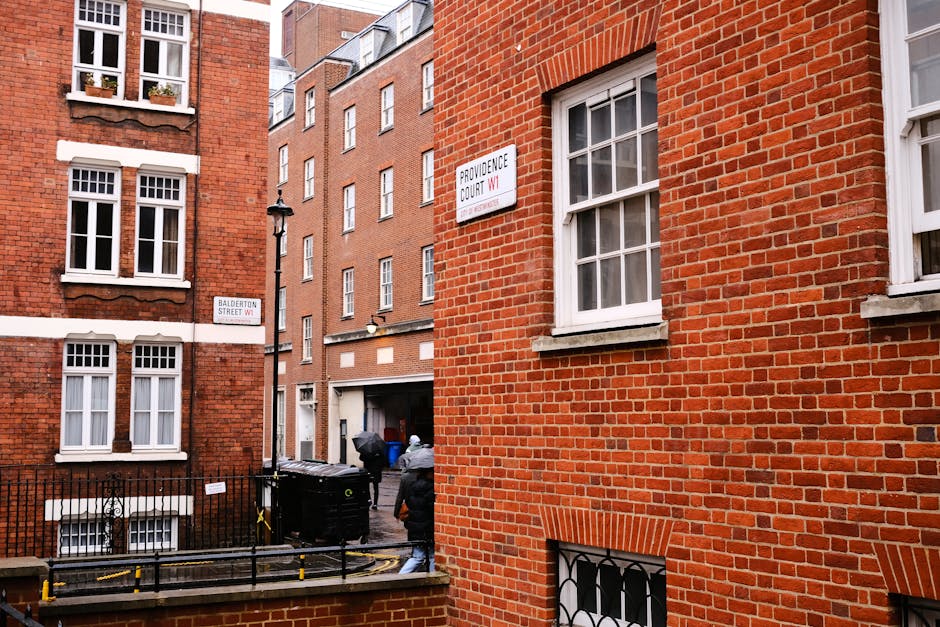
If you're planning flowers outside a shop, a venue, or a private event in Marylebone, the details matter more than people expect. Pavement and event flower rules in Marylebone (Westminster) can affect what you place, where you place it, how long it stays there, and whether it creates a tidy welcome or a problem for passing pedestrians. That sounds dry, I know, but in a place like Marylebone-where the pavements are busy, the frontage is precious, and the street scene is taken seriously-small choices make a big difference.
This guide breaks the topic down in plain English. You'll find out how pavement displays and event flowers are typically handled, what to think about before ordering, how to stay on the safe side, and how to choose arrangements that look polished without causing hassle. If you're a florist, a venue manager, a retailer, or simply organising something special, this will help you get it right first time. Or at least avoid the awkward bits. Which, truth be told, is half the battle.
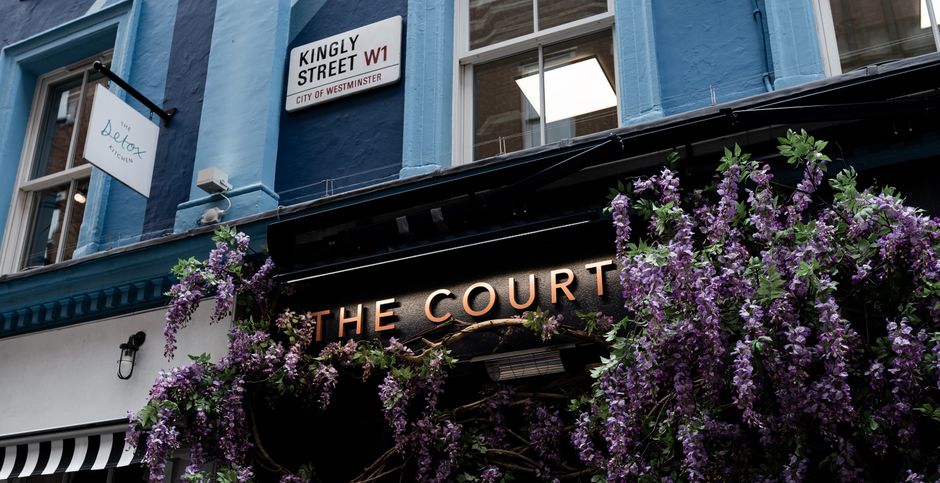
Table of Contents
- Why pavement and event flower rules in Marylebone (Westminster) matter
- How pavement and event flower rules in Marylebone (Westminster) work
- Key benefits and practical advantages
- Who this is for and when it makes sense
- Step-by-step guidance
- Expert tips for better results
- Common mistakes to avoid
- Tools, resources and recommendations
- Law, compliance, standards, or best practice
- Options, methods, or comparison table
- Case study or real-world example
- Practical checklist
- Conclusion
- Frequently asked questions
Why Pavement and event flower rules in Marylebone (Westminster) Matters
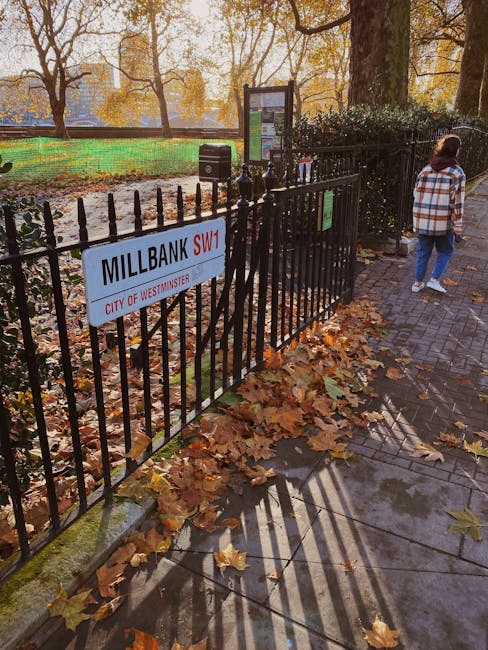
Marylebone is one of those London neighbourhoods where the public realm is part of the brand. A neat pavement display can make a cafe feel welcoming, a boutique feel considered, and a wedding or launch event feel properly dressed. But the same display can also narrow a walkway, create clutter, or clash with wider street use if it's not thought through.
That is why pavement and event flower rules matter. They help balance three things at once: presentation, pedestrian access, and local expectations. In practical terms, that means your flowers should enhance the space without becoming an obstruction. A small bucket outside a doorway at 8am may feel harmless. By lunchtime, with delivery trolleys, prams, wheelchairs, and general footfall, it may be a different story.
There's also reputational value here. If you're a business in Marylebone, your street-facing details tell people a lot about you before they've crossed the threshold. A well-managed display says calm, care, and quality. A chaotic one says, well, the opposite. And for event flowers, the stakes are slightly higher because timings are tighter and the setup often has to work around security, venue access, weather, and guests arriving in a rush.
Practical takeaway: treat pavement flowers as part of your site management, not just decoration. If you plan them like an afterthought, they tend to behave like one.
How Pavement and event flower rules in Marylebone (Westminster) Works
The core idea is simple: anything placed on or near the pavement has to work with the space, not against it. In Marylebone, that usually means thinking about width, placement, stability, visibility, accessibility, and duration. The exact requirements can vary depending on the location, the type of frontage, the property arrangement, and whether the flowers are for daily display or a one-off event.
For everyday pavement flowers, the arrangement is usually more controlled and permanent-looking. Think outdoor planters, standing buckets, floral troughs, or window-adjacent displays that frame the entrance without spilling into the walking route. For events, it's more temporary and often more complex. A wedding or corporate reception may need flowers at the doorway, along a temporary arrival path, near signage, or inside a covered threshold zone.
In real life, the main questions are usually these:
- Will people still pass safely and comfortably?
- Will the display stay stable in wind, rain, or crowds?
- Does it fit the character of the street and venue?
- Can it be installed and removed without disruption?
- Does it conflict with loading, cleaning, or other site operations?
If you are working with a florist, they should be thinking through these points before the flowers even leave the studio. If you're planning yourself, the same applies. A beautiful arrangement that tips over in the first gust is not elegant, it's just annoying. And yes, that has happened more than once in London weather. Naturally.
For larger or more visible setups, people often look at the broader service context too. A local florist such as Florist Marylebone W1 or a flexible delivery option like flower delivery in Marylebone W1 can be part of the planning process, but the real question is always whether the display suits the location and the intended use.
Key Benefits and Practical Advantages
When you get pavement or event flowers right, the benefits are immediate and visible. Not theoretical. Real.
- Better curb appeal: A tidy floral display creates an inviting first impression and makes a frontage feel cared for.
- Stronger brand feel: For shops, restaurants, salons, and hotels, flowers can reinforce style without shouting.
- Clearer event presentation: Flowers can guide guests, soften hard architecture, and create a more memorable arrival.
- Smoother crowd flow: Well-placed flowers can support the layout rather than fighting it.
- More flexible styling: You can change colour palettes and formats to suit seasons, occasions, or campaigns.
- Better photography: This matters more than people admit. Guests will take pictures near the entrance if it looks good.
There's also a quieter benefit: confidence. When you know the display is safe, appropriate, and well arranged, you stop worrying about whether someone will knock it over or complain. That peace of mind is worth a lot, especially on event day when there are enough moving parts already.
If you're building a wider floral plan, browsing seasonal and occasion-led ranges can help shape the brief. For example, the breadth of choices in all flowers and best sellers can make it easier to match a setting without overcomplicating the selection.
Who This Is For and When It Makes Sense
This topic is relevant to a pretty wide group of people, and not just florists.
- Retailers who want pavement flowers outside the shopfront.
- Cafes and restaurants using flowers to soften outdoor seating or entrance areas.
- Event organisers planning weddings, launches, private dinners, or receptions.
- Venue managers who need temporary flowers to fit venue rules and guest movement.
- Corporate teams setting up branded or seasonal displays for clients and visitors.
- Florists who need to brief, quote, and deliver with fewer surprises.
It makes sense whenever flowers are not just decorative but part of the site or event layout. If the flowers will be seen from the street, walked past, photographed, or installed around an access route, then this is not just a styling decision. It's a placement decision.
Here's a simple example. A small birthday bouquet delivered to a home in Marylebone? Straightforward. A floral arch at a venue entrance with guests arriving from the pavement? Entirely different job. Same neighbourhood, very different planning.
For special moments, a few relevant product pathways can help narrow the brief, such as wedding flowers in Marylebone W1, wedding collections, or a more general any occasion selection when the event is less formal but still needs a polished finish.
Step-by-Step Guidance
If you want a display that looks good and behaves properly on the day, use a simple process. No drama. No guesswork.
- Define the purpose. Is this for permanent frontage, a short-term event, guest arrival, photo backdrop, or a ceremonial moment?
- Measure the space. Look at actual pavement width, doorway clearance, step access, and any pinch points.
- Check the flow. Watch how people move past the spot at different times. Morning, lunchtime, evening-very different rhythms.
- Choose the format. Buckets, planters, stands, baskets, sprays, garlands, or hand-held flowers each solve different problems.
- Match the flowers to the environment. A windy corner may need sturdier stems. A shaded doorway may suit different blooms from a sunlit entrance.
- Confirm placement and timing. Decide when the flowers arrive, who handles them, and when they're removed.
- Prepare for weather. Wind, rain, and heat all change how flowers behave outdoors. Sometimes quite dramatically.
- Have a fallback plan. If the pavement is tighter than expected or the event runs late, what changes first?
That last point is underrated. A good fallback plan can save the day. For instance, if a larger entrance piece becomes impractical, you might move to two smaller arrangements, a more compact welcome display, or a protected threshold arrangement instead. Not as grand, perhaps, but often better in practice.
If the display needs to arrive quickly, services such as same-day flower delivery or next-day flower delivery can be helpful for last-minute fixes, though setup still needs thinking through properly. Flowers don't magically know where to stand.
Expert Tips for Better Results
A few small decisions make a surprisingly big difference. In our experience, the best-looking displays are rarely the fanciest. They're the most considered.
- Keep the footprint smaller than you think: A display that feels generous in the studio can feel bulky on the pavement.
- Use weight and anchoring wisely: Wind catches light containers fast, especially on open streets.
- Leave visual breathing room: Flowers look better when they are not squeezed against signs, barriers, or bins.
- Choose durable mechanics: If the display needs to last, water source, container choice, and support matter more than people expect.
- Think from the pedestrian's point of view: If you were carrying shopping or pushing a pram, would it feel easy to pass?
- Plan for clean-up: Petals, foliage, water, ribbon, packaging, all of it needs a removal plan.
One little trick: step back and look at the display from the road side, not just from the front door. You'll catch awkward angles, weak proportions, or a bucket hiding the one thing you wanted people to see. Happens all the time.
For style inspiration, you can review colour-led collections like white flowers, pink flowers, or mixed colours if you want something softer, brighter, or more seasonal. And if you're planning something more substantial, a premium option from luxury flowers may be more suitable than a simple hand-tied arrangement.
Common Mistakes to Avoid
Most problems with pavement and event flowers are avoidable. The usual culprits are not exotic. They're basic, but costly.
- Ignoring access routes: A pretty display is still a problem if it narrows the path.
- Choosing the wrong scale: Too small and it disappears; too large and it dominates.
- Forgetting weather protection: Outdoor flowers without proper support can wilt, spill, or tilt.
- Not checking timing: Deliveries, venue access, guest arrival, and setup windows need coordination.
- Using fragile flowers in exposed spots: Some flowers simply won't enjoy the experience, to put it mildly.
- Leaving removal to the last minute: Event flowers often outstay their welcome if nobody owns the takedown.
- Overloading the frontage: More flowers is not always better. Sometimes it just looks busy.
A subtle but common error is treating a pavement display like indoor decor. Outdoors has different rules. There's light glare, dust, damp, passing traffic, and much less control. A display that would be charming in a hall can look messy outside by the end of the day. Harsh, but true.
If you're ordering for an event, related items like flower care guidance and flowers in a vase styles can reduce handling risk and make setup simpler, especially when you need something stable and presentable.
Tools, Resources and Recommendations
You do not need a huge kit to manage floral pavement or event work properly, but a few practical tools help enormously.
- Tape measure: For width, depth, and clearance checks.
- Notebook or phone notes: To record timings, restrictions, and delivery instructions.
- Photo references: Helpful when discussing exactly where flowers should sit.
- Sturdy containers: Better for outdoor stability and transport.
- Watering method or hydration system: Useful for longer outdoor display periods.
- Backup materials: Ribbon, cable ties, spare foliage, cloths, and wipes. Not glamorous, but handy.
For ordering and planning, it often helps to look at florist information pages as well as the product range. Pages such as about us, guarantees, and delivery information can be useful when you need to understand how a business handles service, timing, and expectations.
If you're handling a larger project or multiple deliveries, the corporate side can also matter. The corporate accounts page is worth reviewing if you regularly coordinate venue, office, or hospitality flowers in central London.
Law, Compliance, Standards, or Best Practice
This area deserves careful wording. Local rules and permissions can vary, and public pavement use is not something to assume. If flowers are going onto the public highway or into a space that affects pedestrian movement, you should treat that as a compliance question, not just a design one.
In practice, the important principles are usually these:
- Do not obstruct pedestrians. This includes people with buggies, wheelchairs, mobility aids, luggage, and anything else that needs space.
- Keep displays stable and safe. No wobbling stands, leaking containers, or loose decorative items that can fall.
- Respect access and egress. Entrances, exits, and emergency routes should remain usable.
- Be aware of lease, venue, and property rules. A landlord or venue may have stricter requirements than a general styling brief.
- Check temporary event arrangements carefully. If flowers are part of a larger installation, the event plan should cover setup and removal.
Best practice is usually a mix of common sense, site awareness, and written agreement. That might mean confirming the available space in advance, getting the display approved by the venue, and keeping the design changeable if the weather turns or the footfall is heavier than expected.
If you're ordering flowers for a formal occasion, it can also be sensible to choose formats that are less likely to topple or trail into the route. For example, structured arrangements from wedding table arrangements, or compact event pieces from buttonholes and bridal bouquets, can support a cleaner overall setup than oversized, loose designs.
Options, Methods, or Comparison Table
Different floral formats suit different street and event situations. Here's a practical comparison that may help if you're deciding what to use.
| Option | Best for | Pros | Watch-outs |
|---|---|---|---|
| Planters or troughs | Persistent pavement frontage | Stable, tidy, repeatable | Needs space and maintenance |
| Standing buckets | Flexible short-term display | Simple, quick to adjust | Can look informal if not styled well |
| Basket or posy arrangements | Smaller entrances and window edges | Compact and elegant | May not suit exposed spots |
| Garlands and tied decorative runs | Events and ceremony points | Visually strong, festive | Needs secure fixing and a clear plan |
| Large statement installations | Launches, weddings, premium occasions | Impactful and memorable | Higher cost, more setup, more risk if space is tight |
If you're unsure which direction to take, start smaller and scale up only if the location supports it. That sounds obvious, but many of the best displays begin with a modest idea and a good edit. Less stress too.
For everyday gifting and lighter use, something from flowers by post in Marylebone W1 or send flowers in Marylebone W1 may be enough. For a more visible frontage or event moment, you'll usually want a more structured, installed approach.
Case Study or Real-World Example
Picture a small Marylebone venue preparing for an evening private event. The front entrance sits close to the pavement, and guests will arrive in a short window between 6 and 7pm. The organiser wants flowers to feel special, but the doorway also needs to stay easy to use for arrivals, staff movement, and a couple of larger coats and bags.
The first idea is a large floral statement on either side of the entrance. It looks lovely in theory. In practice, it would squeeze the pavement edge and make the entrance feel crowded. So the plan changes. The florist uses two compact arrangements near the threshold, with matching pieces inside the reception area, plus a restrained table design that carries the same palette. The result is calmer, neater, and frankly more expensive-looking than the original oversized version.
That kind of adjustment is common. The strongest floral outcome is often not the biggest one. It is the one that understands the space.
For an event like that, a product path such as Royal Essence wedding collection, The One wedding collection, or True Happiness wedding collection can provide a coherent starting point. If the tone is more intimate than formal, a simpler line like florist choice might be the smarter brief.
Practical Checklist
Use this before the flowers go out. It saves a lot of back-and-forth later.
- Have you confirmed the exact placement area?
- Will the flowers leave enough room for pedestrians to pass comfortably?
- Is the display stable enough for outdoor conditions?
- Do you know who is responsible for installation and removal?
- Have you checked the event timing against delivery and access windows?
- Do the flowers suit the weather and light conditions?
- Are the colours and scale appropriate for the street or venue?
- Have you planned for cleanup, packaging, and water control?
- Is there a fallback plan if the space is tighter than expected?
- Has the venue or property side signed off on the arrangement if needed?
And one more, because it matters: have you actually looked at the display from the point of view of someone walking past with a coffee and a phone? If not, do that. It's a surprisingly useful test.
Conclusion
Pavement and event flower rules in Marylebone (Westminster) are really about good judgement. The best displays respect the street, support the event, and make the space feel better rather than busier. If you keep access, stability, timing, and presentation in balance, you'll usually end up with something that feels effortless to everyone else-even though you know it took proper thought behind the scenes.
That is the real trick. Not just making flowers look lovely, but making them work in the place they're meant to live for a few hours or a few days. When that happens, the whole setting feels more composed. A bit calmer. A bit more welcoming. And in Marylebone, that goes a long way.
Get a free quote today and see how much you can save.
If you're planning something in the area and want the flowers to feel polished, practical, and beautifully suited to the location, it's worth starting with a clear brief and a calm eye. The rest tends to follow.
Frequently Asked Questions
What are pavement and event flower rules in Marylebone (Westminster)?
They are the practical and local expectations that govern how flowers can be displayed on or near pavements and around events. The main concerns are pedestrian access, safety, appearance, and whether the arrangement fits the location.
Do I need permission to place flowers on the pavement?
Often, yes or at least some form of approval may be needed depending on where the flowers are going, how much space they take, and whether they affect the public highway. It's best to check before placing anything outside.
Can a florist help with outdoor or pavement arrangements in Marylebone?
Yes. A good florist will help you choose a format that suits the street, the venue, and the weather. They should also think about stability, timing, and how the flowers will be removed after the event.
What flowers work best for pavement displays?
Sturdy flowers and compact arrangements usually work best outdoors. The right choice depends on exposure, season, and how long the display must last. Some delicate blooms are better kept inside or in protected areas.
How do I make sure flowers do not block pedestrians?
Measure the space properly, keep the footprint modest, and look at the display from the perspective of someone walking past with bags, a pram, or mobility aids. If in doubt, reduce the size rather than push the limits.
Are event flowers different from shopfront pavement flowers?
Yes. Shopfront flowers are often longer term and more consistent, while event flowers are usually temporary and tied to a schedule, guest flow, and a specific layout. Event flowers tend to need more coordination.
What is the safest flower setup for a busy pavement?
Stable containers, a compact footprint, and secured positioning are usually safest. Anything that can tip, spill, or trail into the walking route is risky and should be avoided.
How far in advance should I plan event flowers?
As early as possible, especially if the flowers are visible from the street or need a specific installation window. That gives you time to check access, confirm the placement, and make changes if needed.
Can I use the same flowers for both the entrance and the event tables?
Sometimes, yes. It depends on scale and style. A cohesive palette can work well, but the entrance display may need to be sturdier and more weather-resistant than the table pieces.
What are the biggest mistakes people make with pavement flowers?
The biggest mistakes are blocking access, choosing the wrong scale, ignoring weather, and leaving installation too late. Another common one is making the display too busy, which can dilute the effect rather than improve it.
Are there best practices for corporate or hospitality flower displays in Marylebone?
Yes. Keep them polished, easy to maintain, and proportionate to the frontage or venue. For corporate or recurring use, consistency, reliability, and clean presentation matter just as much as visual impact.
What should I ask my florist before ordering?
Ask how the flowers will be installed, how stable they will be, what happens in bad weather, and how removal will work. Those questions save headaches later and usually reveal whether the florist has real experience with the space.