Westminster Council flower display permits for Marylebone
Posted on 03/10/2026
Westminster Council flower display permits for Marylebone: a practical guide for shops, cafes and street-facing businesses
If you are planning a frontage display in Marylebone, you quickly learn that the pretty part is only half the story. Westminster Council flower display permits for Marylebone are about much more than putting out a few planters and hoping for the best. They touch on pavement space, access for pedestrians, visibility, local trading conditions, and whether your display feels like an asset or a nuisance. Get it right, and a flower display can soften a shopfront, lift passing trade, and make a street feel calmer in that very London way. Get it wrong, and you can end up with complaints, enforcement issues, or a display that looks lovely for two days and then becomes a daily headache.
This guide is written for business owners, managers, and anyone helping to set up a display in or around Marylebone. We will walk through how the permit process usually works, what councils tend to care about, what mistakes people make, and how to plan a display that actually lasts. No fluff. Just the useful stuff you wish someone had told you before you started moving planters around at 8am on a damp weekday.
- Why Westminster Council flower display permits for Marylebone Matter
- How Westminster Council flower display permits for Marylebone Works
- Key Benefits and Practical Advantages
- Who This Is For and When It Makes Sense
- Step-by-Step Guidance
- Expert Tips for Better Results
- Common Mistakes to Avoid
- Tools, Resources and Recommendations
- Law, Compliance, Standards, or Best Practice
- Options, Methods, or Comparison Table
- Case Study or Real-World Example
- Practical Checklist
- Conclusion
- Frequently Asked Questions
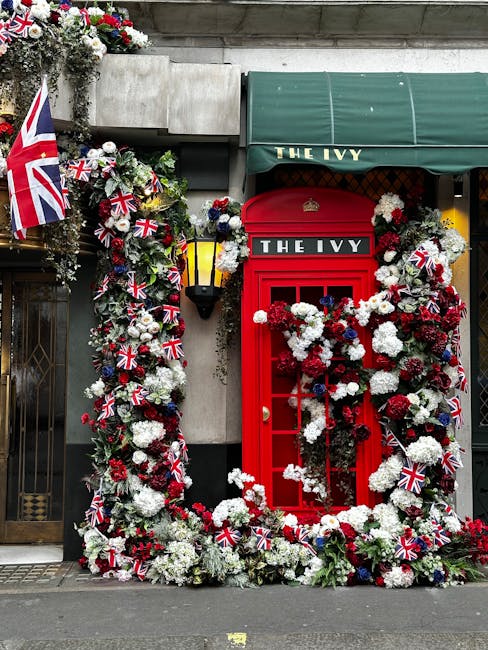
Why Westminster Council flower display permits for Marylebone Matter
Marylebone is one of those areas where the street scene matters a lot. There are narrow pavements in some spots, steady footfall, visitors looking for independent shops, and a general expectation that frontages are tidy, attractive, and easy to pass through. A flower display can absolutely elevate a business, but the display sits in shared public space, so it has to work for everyone using the pavement, not just the shop owner who paid for the blooms.
That is the core reason permits matter. They help balance aesthetics with access. Councils usually want to know that a display will not obstruct wheelchairs, pushchairs, deliveries, or people who simply do not want to squeeze past a box of roses and a sandwich board. And honestly, fair enough. One overly ambitious display can cause more friction than it is worth.
For businesses in Marylebone, a permit or other form of consent can also protect you from avoidable awkwardness. If the display is clearly authorised, it is easier to plan your frontage, brief staff, and keep everything consistent. You are not guessing every morning whether the pot can sit one metre out or two. You have a framework.
Practical takeaway: a flower display permit is not just paperwork. It is the difference between a considered frontage and a display that might end up being moved, challenged, or removed.
There is also a brand side to this. A well-run floral frontage signals care. It says the business pays attention to detail. In Marylebone, where appearance and street character carry real weight, that can be valuable. A display that is neat, weatherproof, and compliant can quietly support your reputation every single day.
How Westminster Council flower display permits for Marylebone Works
Although the exact route can vary depending on the site, the principle is usually straightforward: if you want to place flowers, planters, pots, stands, or other display items on the public highway or pavement, you may need permission from Westminster. In some cases, the arrangement may fall under a pavement licence or street furniture consent; in others, a specific council approval process may apply. The precise label matters less than the underlying issue: are you using public space, and if so, have you been authorised to do it?
Expect the council to look at practical details. They may want to understand the size of the display, where it will sit, how far it projects from the building line, whether it leaves a safe walking route, and whether the display might interfere with visibility at a corner or near a crossing. If the frontage is already busy, the council may be stricter. If the pavement is generous and the design is tidy, the arrangement may be easier to justify.
In Marylebone, location is everything. A display that works on a broad stretch outside a destination restaurant may be entirely unsuitable outside a smaller retail unit on a tighter pavement. That is why a one-size-fits-all approach rarely works. You need to look at the actual building frontage, the footfall patterns, the season, and how the space is used during the day.
Some businesses also assume that flowers are treated more lightly than other objects because they are decorative. Sometimes that is true in spirit, but not always in practice. A floral display still takes up room. A heavy ceramic planter is still a physical object. A row of baskets can still narrow the path. Councils care about the effect on the pavement, not just the fact that the item is nice to look at.
If you already run a customer-facing space, it may help to think of this as part of the wider presentation of your business. For example, a florist in the area might pair a carefully managed frontage with delivery services such as flower delivery in Marylebone W1 or a local shopfront offer like Florist Marylebone W1. The display and the service should feel consistent. That consistency matters more than people think.
Key Benefits and Practical Advantages
There is a reason businesses still invest time in exterior flower displays, even when planning permissions and council rules make the process feel a bit fiddly. Done properly, the benefits are real.
- Stronger kerb appeal: Flowers soften hard frontage lines and make a business look cared for.
- Better customer first impressions: People notice the entrance before they notice the menu, window display, or counter.
- Local character: In Marylebone, tasteful planting can complement the area's more polished streetscape.
- Seasonal flexibility: Displays can be refreshed for spring, summer, autumn, or festive periods.
- Brand differentiation: A floral frontage can make a business stand out without shouting for attention.
- Potential spillover into sales: A pleasant frontage encourages people to pause, browse, and come in.
There is also a less obvious advantage: structure. A permitted display usually forces you to think through maintenance, storage, and accountability. That can sound boring, but it saves time. You know who waters the display, who brings items in at night, and who checks for damage after rain or wind. The small operational details are often what make the difference between a beautiful display and a tired one.
To be fair, some businesses see the process as a bit of admin overhead. Fair enough. But in a place like Marylebone, the upside can outweigh the hassle if your display genuinely improves the street presence and you are ready to maintain it properly.
Who This Is For and When It Makes Sense
Westminster Council flower display permits for Marylebone are most relevant for businesses and property users who want to place floral items in or near the public realm. That usually includes:
- independent retailers with a visible frontage
- cafes, restaurants, and bars wanting a more welcoming entrance
- hotels and serviced apartments using floral design for guest appeal
- salons, clinics, and professional practices with client-facing street access
- property managers and landlords improving the look of a vacant or occupied unit
- event organisers needing temporary decorative frontage
It makes sense when the display genuinely adds value and the site can support it. If your pavement is narrow, the frontage is already cluttered, or the building is on a busy corner, you may need a more restrained approach. Sometimes the best answer is a window display, a wall-mounted arrangement, or a display that sits entirely within private boundary space.
Here is a simple rule of thumb: if your display is visible from the street but does not rely on public pavement space, the approval question is often easier. If the display crosses into shared public space, expect more scrutiny. That is the part people miss when they rush the design stage.
A good practical example is a cafe that wants two matching planters either side of the entrance, plus a few seasonal blooms near the threshold. Lovely idea. But if the door opens outward, or if the route past the shop already narrows during lunch hour, the layout may need rethinking. One tiny adjustment, and suddenly it is workable.
Step-by-Step Guidance
If you are approaching this for the first time, keep the process simple. There is no magic. Just method.
- Measure the available frontage. Start with the actual pavement width, the doorway swing, and any nearby features like bollards, signs, cycle stands, or tables.
- Define the display concept. Decide whether you are using planters, baskets, arrangements, pedestals, or a mixed floral frontage.
- Check how the display will be used. Is it permanent, seasonal, or event-based? A temporary display is usually easier to manage than a year-round one, though not always easier to approve.
- Assess access and safety. Make sure the display does not block the main walking line or create trip hazards.
- Prepare visual references. A simple sketch or photo mock-up helps the council understand the proposal. People often underestimate this. A clear image saves a lot of back and forth.
- Confirm who owns and maintains the items. Councils like to know who is responsible if a planter tips, dries out, or gets damaged.
- Submit the relevant application or enquiry. Use the council route that fits the intended use. If you are unsure which route applies, ask before placing anything outside.
- Wait for approval before installation. This sounds obvious, but let's face it, it is the step people get impatient about.
- Install carefully and keep records. Photograph the final layout and note the approval details so staff can follow the same arrangement.
- Review the display regularly. Replace tired blooms, remove broken pots, and adjust items if foot traffic changes.
If you are also sending flowers to customers or using the display as part of your wider service offer, it can help to align the frontage with your product range. A shop that leans into seasonal colour might pair the display with florist choice bouquets or a curated option such as all flowers, so the in-store and street-facing experience feel connected.
Small note, but an important one: keep staff briefed. The most beautiful setup in the world can become messy fast if someone parks a delivery sack against it every morning.
Expert Tips for Better Results
In practice, the best floral frontage is usually the one that looks effortless but has clearly been planned. That is the sweet spot.
Design for the street, not just the photo
Instagram-worthy arrangements are fine, but Marylebone pavements are real working spaces. Think about how pedestrians move in the morning rush, when umbrellas are open, and when a wheelchair or buggy needs room. A display that works in a still photograph may feel crowded at 5:30pm.
Use sturdy containers
Flimsy pots and lightweight baskets can be blown, knocked, or chipped. In London weather, especially on a gusty day, that becomes annoying very quickly. Choose materials that can survive daily handling and a bit of rain.
Build for maintenance
Can someone water the display without dragging hoses across the entrance? Can damaged stems be removed quickly? Can blooms be rotated before they look tired? These practicalities sound mundane, but they determine whether the display still looks polished three weeks in.
Keep a spare plan
Have replacements ready. A frost, a sudden warm spell, or one careless delivery can undo a display fast. A backup box of flowers or a simplified layout for bad weather can save the day. Truth be told, it is the kind of thing you only appreciate after one bad Monday.
Match the display to the business rhythm
A luxury retailer may want a formal, structured arrangement. A neighbourhood cafe may prefer a looser, softer look. Neither is automatically better. What matters is that the display fits the business and the street.
If your wider operations include customer gift orders or recurring delivery work, it may also help to look at support pages like about us, guarantees, and delivery so your public-facing messaging matches the standard of care your frontage suggests.
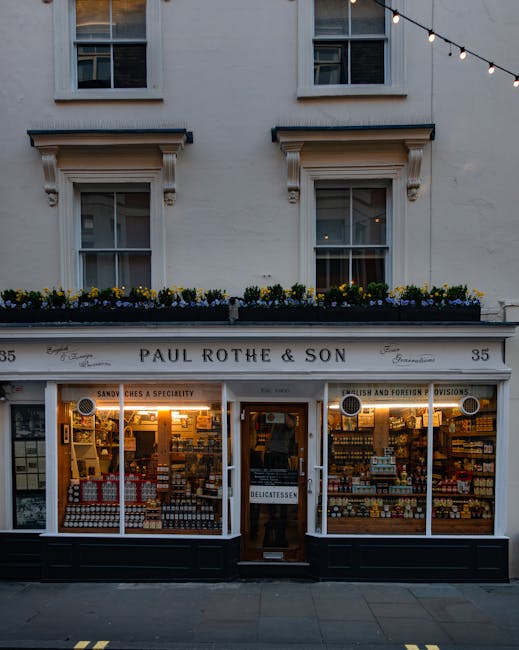
Common Mistakes to Avoid
Most problems with floral displays are not dramatic. They are small, repeated misjudgements that slowly create friction. The good news? They are fairly easy to avoid if you know what to watch for.
- Assuming flowers are automatically low-risk. They are decorative, yes, but they still occupy public space and can still obstruct movement.
- Skipping measurements. A display that looks fine indoors may be too wide once it is outside.
- Forgetting accessibility. If the display narrows the route too much, it may be refused or challenged.
- Using unstable containers. Heavy enough to stay put, but not so heavy that they are impossible to reposition. Balance matters.
- Neglecting upkeep. A display that starts well but fades fast can make the frontage look worse than having no display at all.
- Ignoring seasonal conditions. Rain, wind, heat, and frost all change how flowers behave outside.
- Placing items too close to the door. Staff and customers need a clean line in and out. Obvious, but easily overlooked.
- Not documenting approval. If there is confusion later, clear records help.
One slightly old-school mistake is to think the council only notices if there is a complaint. Sometimes yes, but not always. If something is visibly out of line, it may be picked up earlier than you expect. Better to do it properly than to be reorganising the whole thing after a warning notice. Nobody enjoys that email.
Tools, Resources and Recommendations
You do not need a huge kit to manage a decent display, but a few practical tools make life easier:
- Measuring tape: for checking pavement width and spacing
- Simple site sketch or layout photo: useful for planning and applications
- Watering can or discreet irrigation setup: for daily care
- Stable, weather-resistant planters: to reduce movement and damage
- Spare flowers or backup stems: handy for quick replacements
- Cleaning cloths and a small brush: for keeping pots tidy and presentable
On the business side, it can also help to keep a simple internal log of display maintenance. Who watered it, when it was refreshed, whether any complaints were raised, and whether any items needed moving. Nothing complicated. Just enough to avoid the classic "I thought someone else did it" problem.
If your display is part of a broader floral business or retail offer, you may also want to review related pages such as flower shops in Marylebone W1, best flower delivery Marylebone W1, and contact us so customer-facing details and practical support are easy to find.
Law, Compliance, Standards, or Best Practice
Where flowers or planters are placed on the public highway, compliance is the central issue. Westminster Council will generally be concerned with safe access, obstruction, visual impact, maintenance, and whether the display is appropriate for the specific site. The exact permission route may depend on the nature of the frontage and how the space is used, so it is always wiser to confirm the route rather than assume.
Best practice usually includes the following:
- keeping a clear, safe walking route
- avoiding trip hazards and unstable items
- not blocking sight lines at crossings or corners
- maintaining the display so it does not become untidy or unsafe
- ensuring staff know the approved layout and limits
There may also be wider obligations around health and safety, accessibility, and nuisance. Those duties are not unique to flower displays, but they do shape what is acceptable. If you operate a business in Marylebone, it is worth treating floral frontage as part of your general site management, not as a decorative afterthought.
Here is the part many people forget: permissions are only one layer. A display can be technically approved and still be a poor idea if it is impractical to maintain or if it causes repeated customer congestion. A sensible layout is usually the best form of compliance because it avoids problems before they start.
Options, Methods, or Comparison Table
Different frontage approaches suit different sites. The best choice depends on pavement width, business style, maintenance capacity, and how visible you want the display to be.
| Option | Best for | Strengths | Watch-outs |
|---|---|---|---|
| Planters at the entrance | Small to medium shopfronts | Simple, polished, easy to scale | Can narrow the walkway if oversized |
| Grouped floral baskets | Seasonal promotions and lighter displays | Flexible and visually soft | May need frequent replacement and shelter from weather |
| Wall-mounted arrangements | Sites with tight pavements | Less impact on pedestrian flow | Needs secure fixing and suitable building frontage |
| Temporary event display | Openings, launches, seasonal campaigns | Less long-term commitment | Still needs approval if it occupies public space |
| Private-frontage floral styling | Businesses wanting a neat look without pavement use | Easier to manage and usually simpler to approve | Less visible from a distance |
For many Marylebone businesses, the middle ground works best. Not too small, not too ambitious. Just enough to look thoughtful without turning the pavement into an obstacle course. Nobody wants that, least of all the person carrying coffee and a laptop.
Case Study or Real-World Example
Imagine a small independent gifting shop on a Marylebone side street. The owner wants to add a floral display outside the entrance to match the window stock and improve footfall. The first idea is generous: two large planters, a low basket arrangement, and a branded sign. It looks beautiful on paper. In reality, the frontage is narrower than expected, and delivery staff would have to step around the display every morning.
So the plan changes. Instead of four separate items, the shop installs two slimmer planters set closer to the building line, uses a softer colour palette, and keeps the pedestrian route clean. Staff water the plants each morning before opening, and damaged blooms are replaced weekly. The result is calmer, tidier, and more sustainable. It still reads as a floral shopfront, but it no longer fights the street.
That kind of adjustment is common. The best display is usually not the first one you imagine. It is the version that fits the site after a bit of honest measurement and one or two practical compromises. That is not a failure. It is just good site planning.
Practical Checklist
Use this checklist before you apply, install, or refresh a flower display in Marylebone.
- Have you measured the pavement and entrance area accurately?
- Do you know whether your display will sit on public highway space?
- Have you confirmed which permission route may apply?
- Will the display leave a clear, safe walking route?
- Can wheelchair users, pushchairs, and delivery trolleys pass without trouble?
- Are the containers stable and weather-resistant?
- Do you know who will water and maintain the display?
- Have you planned for bad weather and quick replacements?
- Have staff been briefed on the approved layout?
- Have you kept a record of the application, approval, and final installation?
If you can tick all of those boxes, you are already ahead of most rushed setups. Really. A lot of problems disappear once the basics are handled properly.
Get a free quote today and see how much you can save.
Conclusion
Westminster Council flower display permits for Marylebone are about more than decoration. They are about making a frontage attractive without making the pavement awkward, risky, or cluttered. When the display is well planned, properly approved, and cared for consistently, it can become one of the simplest ways to improve a business presence in a very visible part of London.
Start with the space you actually have. Build the display around pedestrian flow, maintenance reality, and the look of the street. If you do that, the permit process becomes much easier to manage, and the final result feels calmer and more confident. That is usually the goal, after all. A little beauty, in the right place, with no drama.
And if you are still deciding how ambitious the display should be, take a breath and keep it practical. The best floral frontage is the one that still feels elegant on a wet Thursday morning.
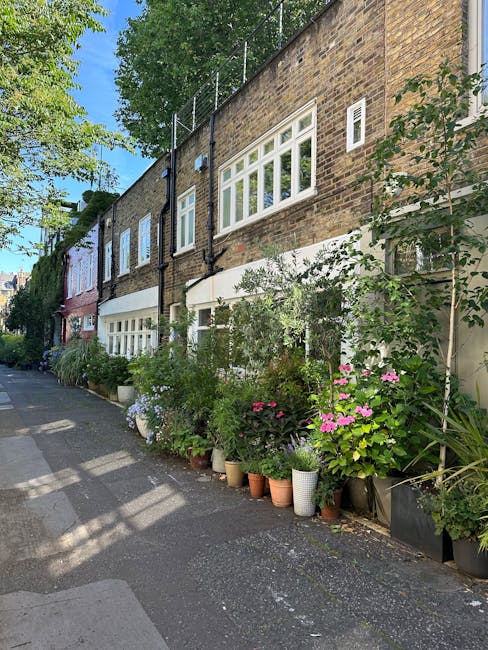
Frequently Asked Questions
Do I need permission for a flower display outside my Marylebone business?
If the display will be placed on public pavement or highway space, you may need permission from Westminster Council. The exact requirement depends on the layout, location, and how much space the display uses.
Are flower planters treated the same as other street furniture?
Often, yes in principle. Even though flowers look decorative, planters and baskets still take up physical space. The council will usually care about obstruction, safety, and access rather than the fact that the items are attractive.
Can I put flowers outside without a permit if they are small?
Not safely assumed. Small items can still be considered an obstruction if they sit on the public highway. It is better to confirm before setting anything out, especially in a busy area like Marylebone.
How long does a flower display approval usually take?
That depends on the permission route, the complexity of the site, and whether the council needs more information. Simpler, well-documented requests are usually easier to deal with than vague ones.
What information should I prepare before applying?
Usually you should be ready with measurements, photos or a sketch of the frontage, a description of the display, and details of how it will be maintained. The clearer the proposal, the smoother the process tends to be.
Will a flower display be refused if the pavement is narrow?
It might be. Narrow pavements are more likely to create access concerns. That does not always mean no, but it often means the design must be smaller, simpler, or moved closer to private frontage.
Can I use the same floral setup all year round?
You can sometimes keep a year-round display, but it needs regular maintenance and may need seasonal adjustments. What works in spring may not hold up in winter wind and rain, so the practical answer is often to refresh it through the year.
What are the most common reasons a display causes problems?
The biggest issues are blocking the walking route, using unstable containers, neglecting maintenance, and failing to adapt the display to the actual width of the pavement. Those little things add up quickly.
Can a florist or business use flowers as part of wider branding?
Absolutely. A front display can support a wider brand identity, especially if the colours and style match your website, shop window, or product range. It works best when it feels intentional rather than random.
What if I want a temporary display for an event or opening?
Temporary displays can still need permission if they occupy public space. They are often easier to justify than permanent installations, but the same basic issues apply: access, safety, and responsible placement.
Is it better to use planters or hanging arrangements?
It depends on the site. Planters are often easier to manage, while wall-mounted or hanging arrangements can be a better fit where pavement space is tight. The right choice is usually the one that causes the least disruption.
What should I do if I am unsure which permission route applies?
Do not guess. If you are unsure, gather your measurements and display idea first, then ask for guidance before installation. A quick check up front is usually far less painful than fixing a rejected or non-compliant setup later.